Seventy-Seven Scrapbooks: Six Days in the Life of a Pop Musicologist
Well, that was a week.
I went to Washington, D.C. to give a paper at the International Association for the Study of Popular Music (IASPM) conference and do research at the Smithsonian. The research is for Sway, my book arguing that promotion didn't just circulate American music, it shaped artists' images, legacies, and sometimes the music itself. The Ellington chapter is that argument made concrete, and Ellington's archives are at the National Museum of American History in D.C. So I went early. I got back in the stacks.
It started at the Lincoln Memorial at dawn and ended at the National Museum of African American History and Culture on a Saturday afternoon. In between: five days of archive work, a major conference presentation, and an NPR Tiny Desk story I'm still thinking about.
Let me take you through it.
Tuesday
Travel day. After all of the recent snow in the northeast, I was grateful to arrive with no problems. I checked in, went to bed early, and tried to remember what it felt like to do archive work. First day in the stacks was tomorrow.
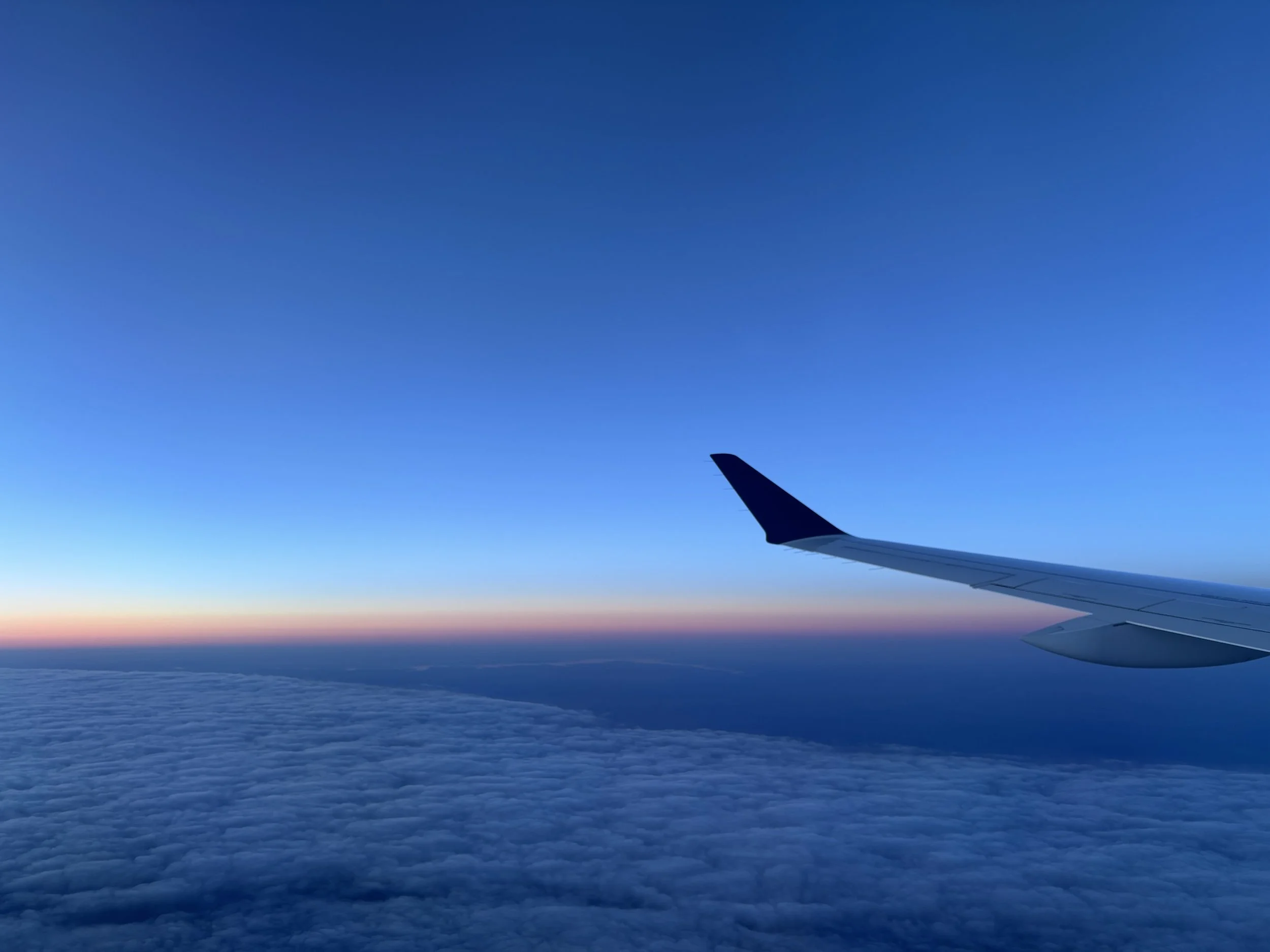
On my way to D.C.
Wednesday
Before the Smithsonian opened, I walked to the Lincoln Memorial.
It was early morning and nearly empty. I don't know if this kind of thing loses its luster over time, but it still felt pretty magical to me. I walked back along the reflecting pool and felt genuinely grateful. This is the country of democracy. Also the country of jazz.
I walked the Mall through the World War II memorial, the Washington Monument. Then I went to the archives, where boxes of Ellington artifacts were waiting for me to go through.
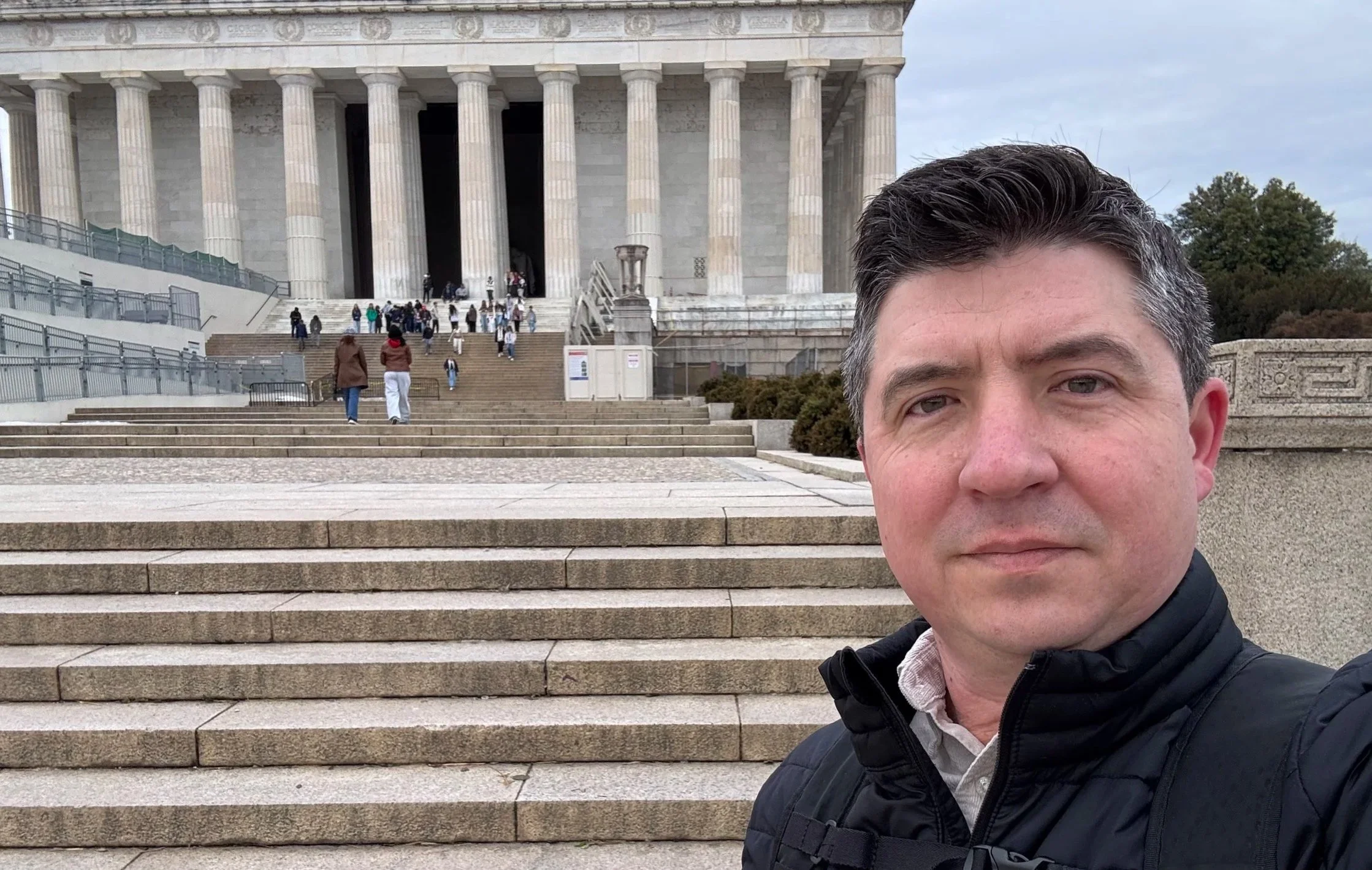
Lincoln Memorial in the morning
I started with booking contracts. The first one I opened was a performance contract between Duke Ellington and Tony Bennett. Buried in the legal language was a demand from Ellington’s team: Bennett and Ellington had to be promoted at equal size on all advertisements. Tony Bennett on the left. Duke Ellington on the right. Written into the contract.
As I worked through more contracts, the pattern was unmistakable: Ellington's management systematically, relentlessly insisted on top billing — every advertisement, every billboard — in language so consistent it may have been a rubber stamp (literally). You want Duke Ellington on your stage? He gets top billing. Non-negotiable.
Then at 2 PM someone escorted me upstairs to the NMAH library (staff only) to the microfilm machines. And this is where the day became something else.
Ellington's scrapbooks exist on microfilm. They contain thousands of press clippings: newspaper reviews, feature stories, promotional pieces from papers that no longer exist anywhere except on these frames. I sat at the machine and watched them scroll past: headlines, photographs, stories about Ellington from outlets across the country, spanning the years he was building his national reputation after his departure from the Cotton Club in 1931.
My argument is that Ellington's advertising books, the promotional books his management distributed to local promoters, shaped the narrative that newspapers then fed back into the culture. These scrapbooks are that feedback loop made visible. The images in the clippings come straight out of the press books. Some of the headlines read like they were written from the press book language. That's the kind of archival moment you don't plan for. You just have to be in the room.
I walked out knowing I had to scan as many of those microfilm reels as possible the next morning, so I canceled my morning archive appointment and set it up to be back in the Library first thing Thursday. I went back to the hotel and got some rest.
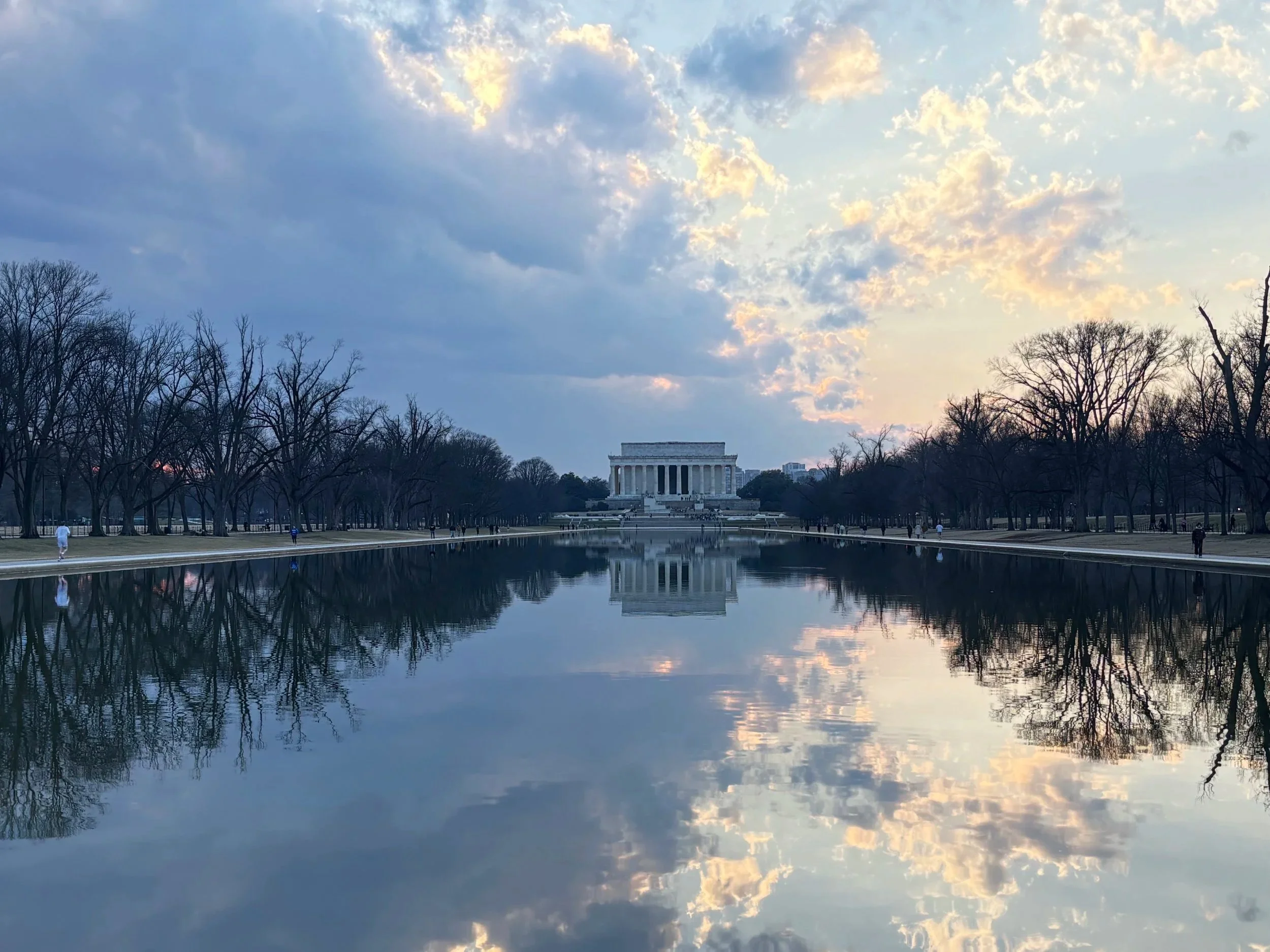
The reflecting pool does its thing
Thursday
Back to the NMAH library. More microfilm. Ellington had seventy seven volumes of press clippings—seventy seven—each with dozens of pages, and I was working through them with the urgency of someone who won't be back for a while. I scanned 12 of them and only barely got to 1945.
Then it was back to the Archives for the afternoon for a final few hours to look through the rest of my boxes.
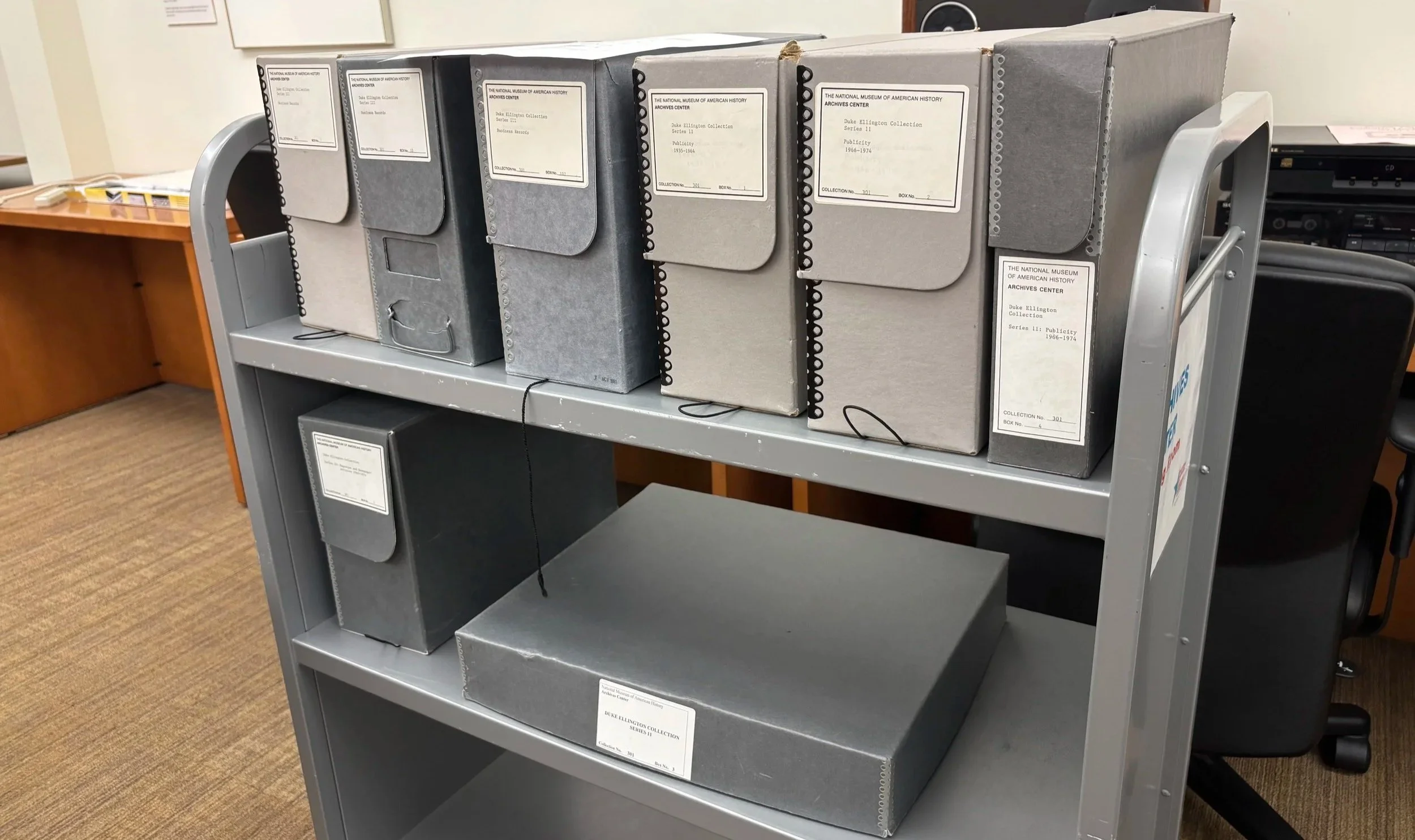
These are the boxes of Ellington artifacts I went through on Thursday
That evening, the conference hosted an opening reception featuring an interview with Suraya Mohamed, Executive Producer of NPR's Tiny Desk concert series. She's been at NPR for decades, starting as a sound engineer, always with creative ideas that turned out to matter more than the job title she started with.
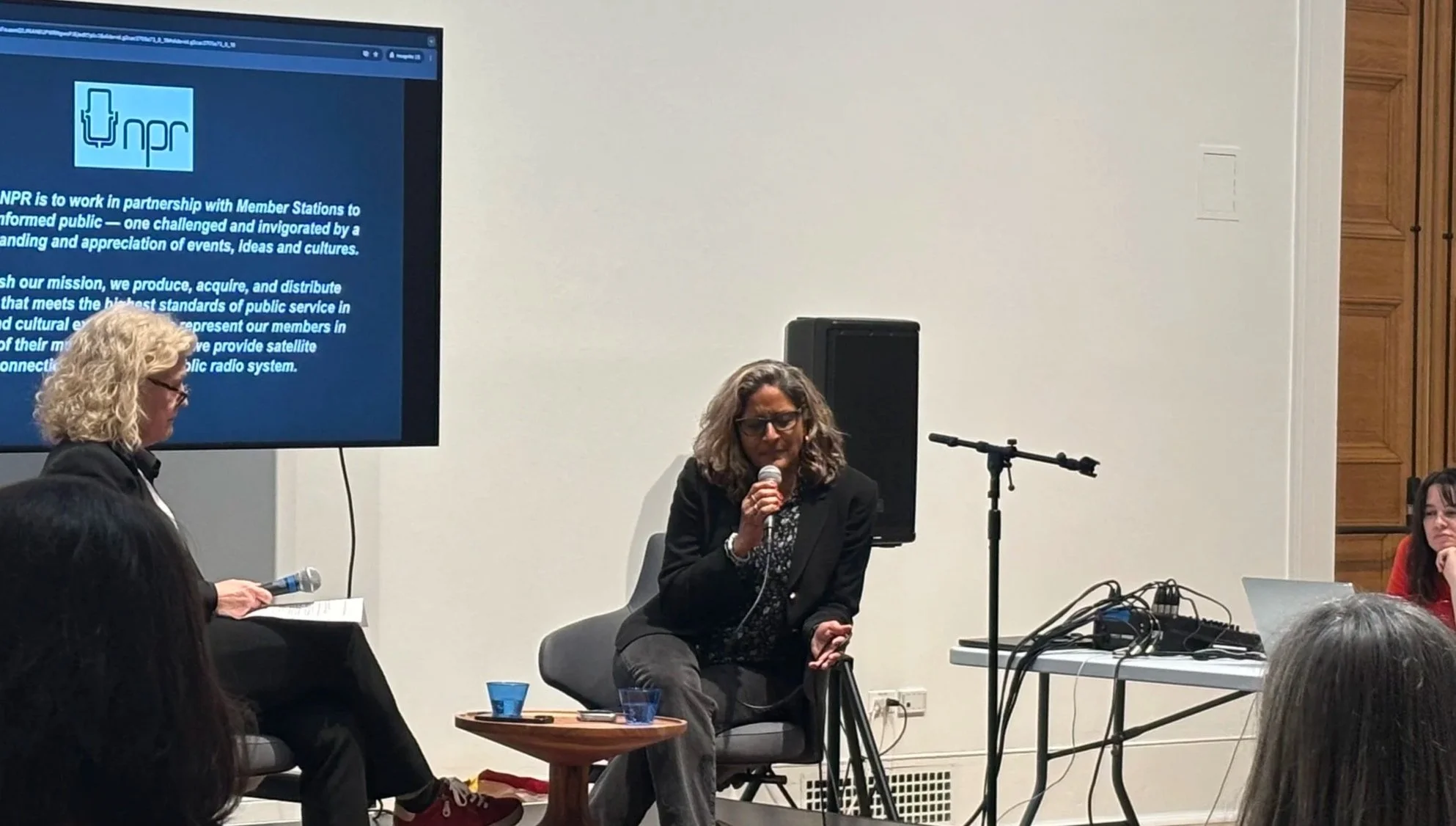
Suraya Mohamed, Executive Producer of the Tiny Desk series
She talked about the phenomenon that Tiny Desk has become. The original model was simple: if you were already in town, you stopped by the desk. But Tiny Desk grew into a mandatory career stop not because because of its reach and credibility. Then she dropped a surprise:
Tiny Desk doesn't pay artists anything. Not a dime. What artists get is a “sandwich, a cup of coffee, and a T-shirt.”
And yet, major artists like Sabrina Carpenter and Billie Eilish now fly their entire teams from Los Angeles to Washington DC just to do it.
It became a prestige marker so powerful that the economics inverted completely. Artists pay to be there, they just do it indirectly, in flights and crew costs and lost touring days.
That's a whole music industry case study in a single anecdote. I kept thinking about it in relation to Ellington — about what "promotional value" actually means, and how artists and their teams have always had to calculate it, even when the calculation happens in plane tickets instead of billing clauses.
After the interview was an opening reception, with a sick set from DC fixture, DJ RBI (Ron Brown). Alongside RBI was Oatmeal Princess, the DJ name of a college student attending George Washington University. She is a student of Loren Kajikawa, one of my dissertation advisors (and the author of Sounding Race in Rap Songs, which belongs on your reading list). She's majoring in music with DJing as her primary instrument. I want to say that again: DJing as her primary instrument. In a music degree program. This is the future, and it's already here.
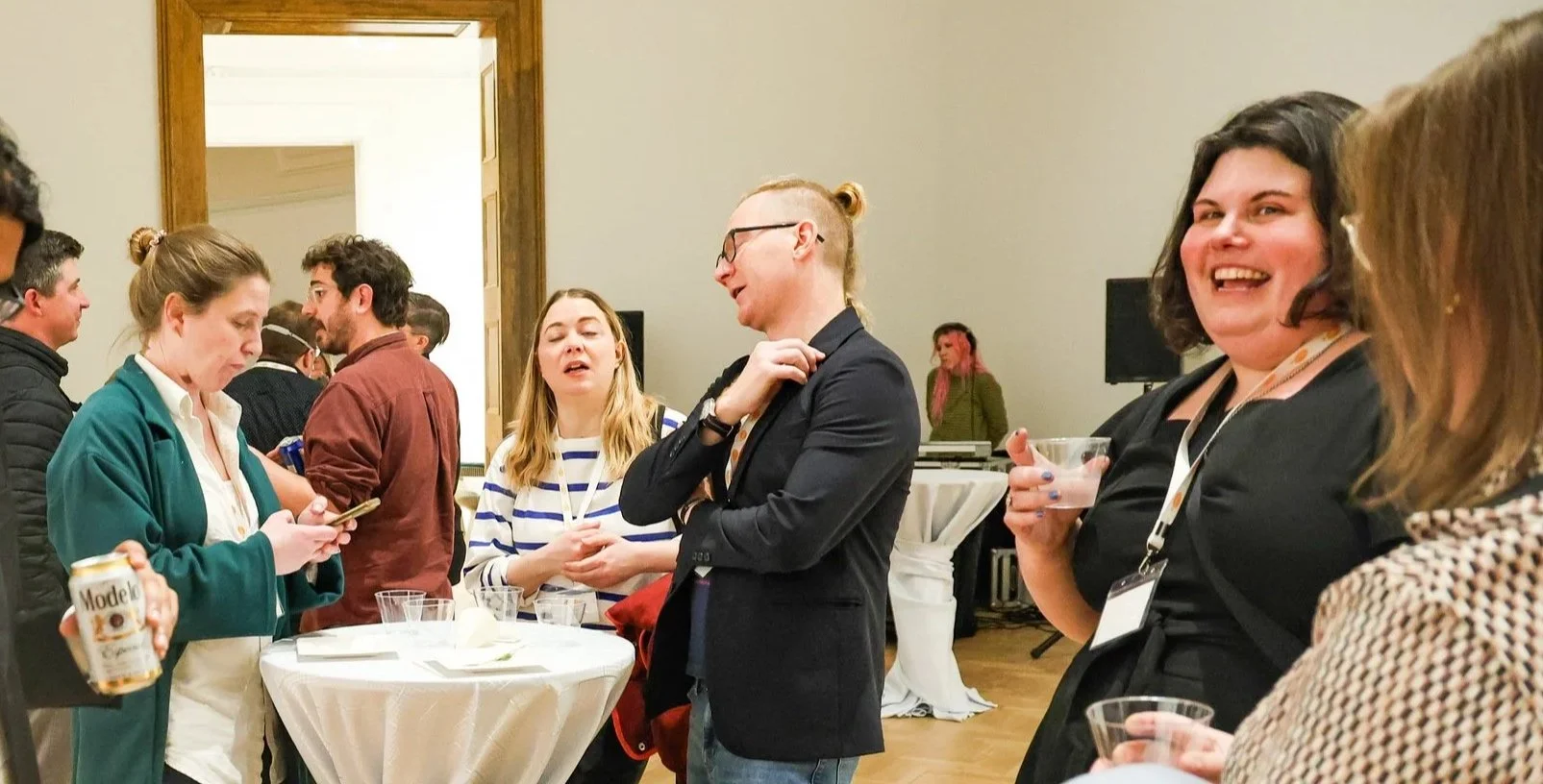
Friday reception, with beats
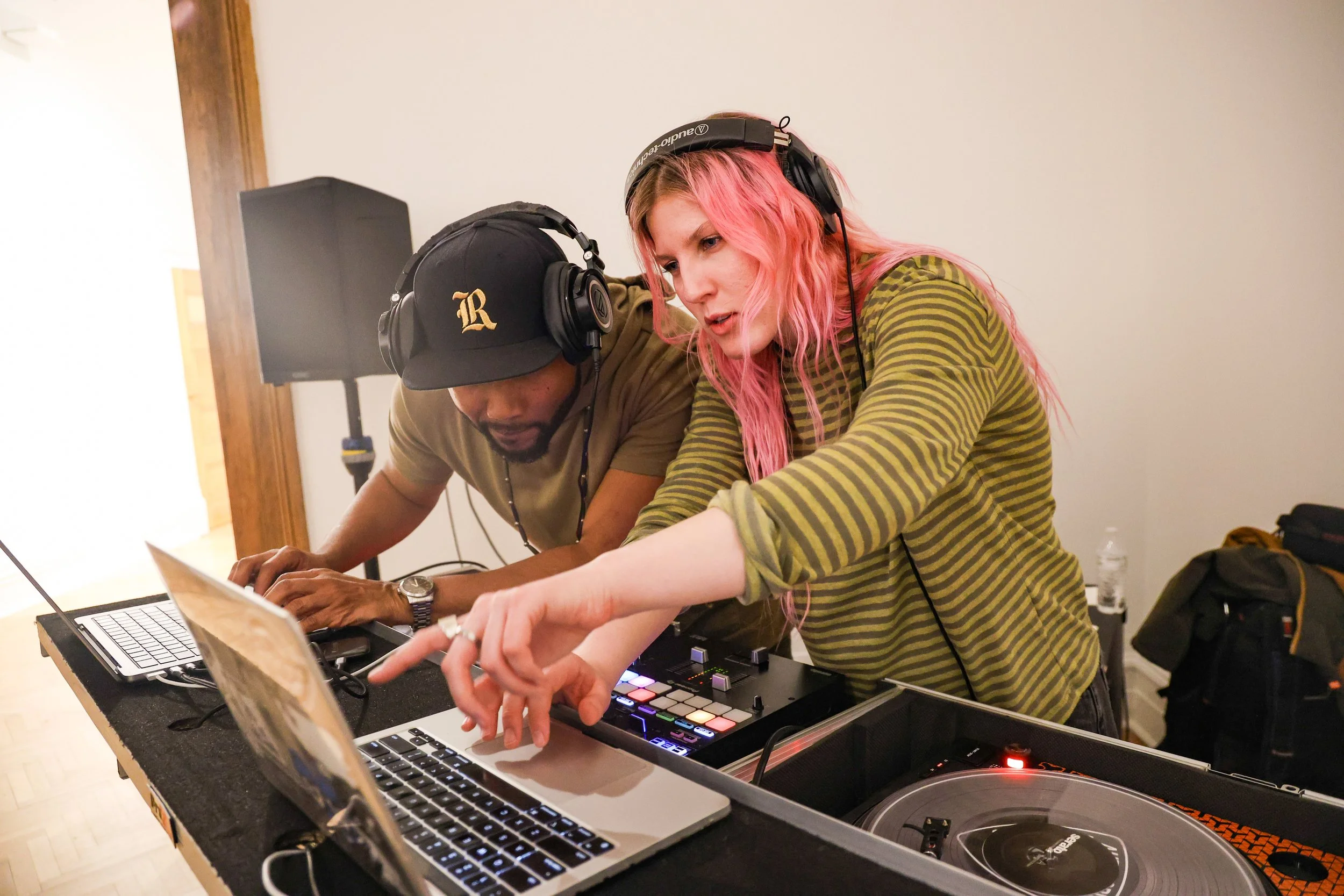
This is what music lessons look like in 2026
I was supposed to meet my nephew for dinner that night, but he came down sick and we had to cancel. After two days in the archives, eating alone turned out to be exactly what I needed.
Plus the finds from the previous two days had changed my presentation. I had some work to do.
Want more like this? Sign up for my weekly newsletter, The Creative Process.
Friday
Morning in the hotel doing final prep on the paper. Then over to the conference, which was hel.
Saw some great papers and then that afternoon I gave my paper. I was on a panel with two amazing scholars: Amy Coddington and Theo Cateforis. Theo wrote a book on new wave, Amy on rap on the radio. If you care about popular music history and haven't read them, fix that. The response to the session was strong, and people came up afterward, some I knew, some I didn't, which is the best possible outcome.
No autographs were given.
After the talk, I went back to the hotel and went to bed early.
Saturday
Some more great papers on Saturday, and a memorable lunch with two new colleagues, where I got a killer falafel and hummus sandwich for five dollars.
I snuck out of the conference that afternoon to go to the National Museum of African American History and Culture.
I want to be careful here, because it's easy to either undersell it or oversell it. The honest version: it's beautifully curated, and heavy. The weight of that history, accumulated across centuries, presented with precision and care, lands differently when you're walking through it physically. I spent most of my time on the lower floors. I was not the only person who needed a minute.
The music exhibition on the upper floors is a genuine marvel — Chuck Berry's guitar, "Maybellene," Parliament Funkadelic's Mothership, Louis Armstrong's trumpet, J-Dilla's Akai MPC. There was only one Duke Ellington artifact, and I’ll admit: as someone currently elbow-deep in a Duke Ellington chapter, and having paged through dozens of his scores a couple days earlier, I was hoping for more than one score. (But I’m biased.)
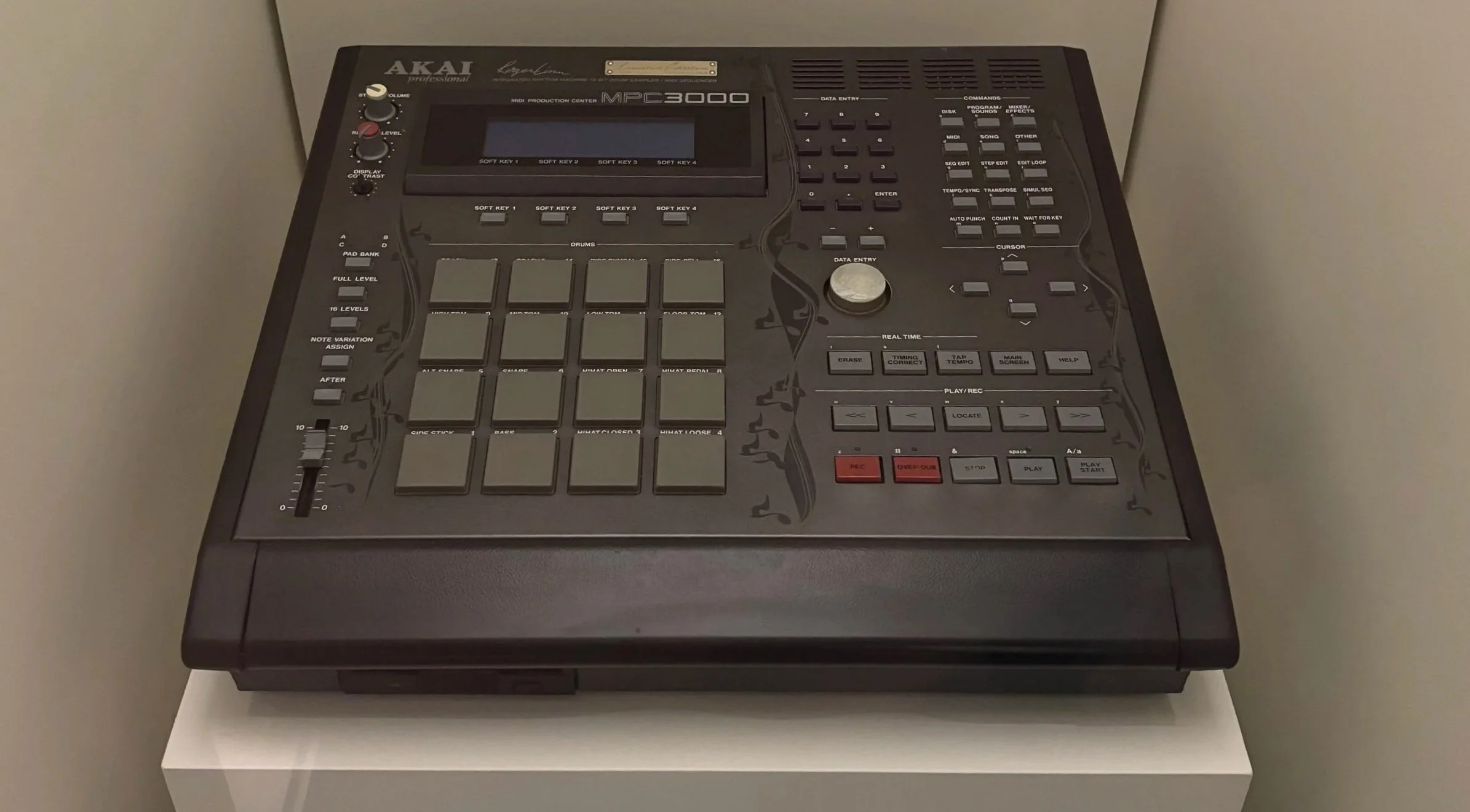
Legendary hip-hop producer J-Dilla's Akai MPC
I walked out into the afternoon light to visit Ford’s Theater, pick up gifts for the family, and then trek back to the hotel.
Sunday
Early flight home, which is where I’m writing this breakdown right now.
I came to DC to do research and give a talk. I'm leaving with more research than I could ever put into one chapter, a handful of new professional relationships, and the particular kind of tired that comes from a week of doing exactly what you're supposed to be doing.
The Lincoln Memorial will be there when I come back.